
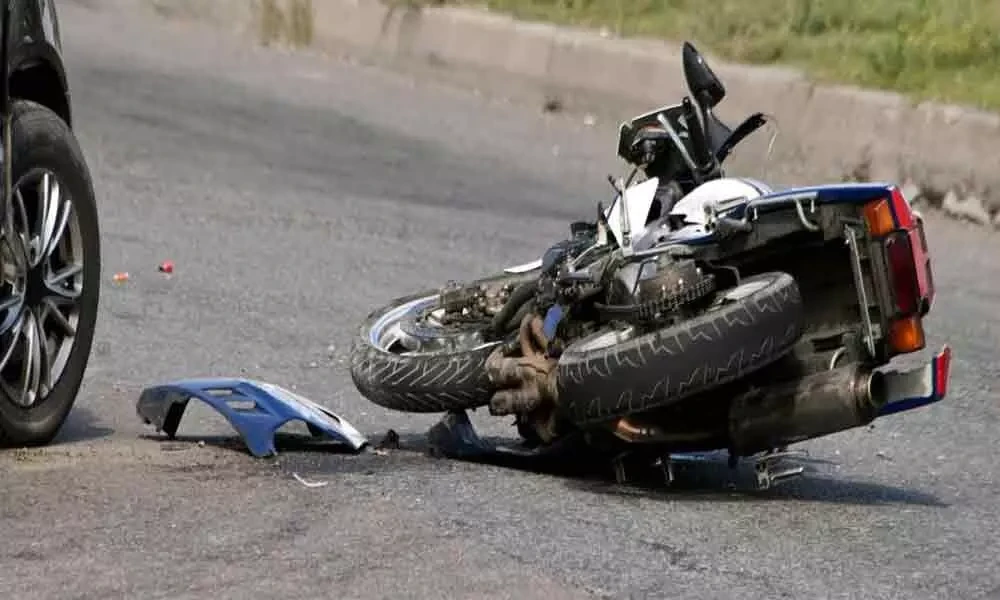
A motorcycle collision can create complicated questions about what happened, who was responsible, and what financial recovery may be available to an injured rider. Unlike minor vehicle accidents, motorcycle crashes frequently result in substantial injuries, extended recovery periods, and significant financial losses. Understanding the connection between evidence, liability, and compensation can help injured riders make informed decisions while pursuing a claim.
Evidence Creates The Foundation Of A Claim
Evidence is one of the most important elements of a motorcycle accident claim. Memories can become less reliable over time, vehicles may be repaired, and physical conditions at the accident scene can change. Information gathered shortly after a collision can therefore become particularly valuable.
Police reports may document the location, vehicles involved, statements from drivers, citations, and observations made at the scene. Photographs and videos can provide additional context by showing vehicle damage, debris, skid marks, traffic signs, lane markings, weather conditions, and visible injuries.
A motorcycle accident attorney in Denver may also examine evidence beyond the immediate crash scene. Traffic camera recordings, nearby surveillance footage, vehicle data, phone records, and other digital information could provide useful details when the circumstances of a collision are disputed.
Witness Accounts Can Add Important Context
Independent witnesses may help clarify events that photographs cannot fully explain. A witness might have observed a vehicle changing lanes without checking its surroundings, following a motorcycle too closely, entering an intersection unexpectedly, or failing to yield.
Obtaining witness contact information early can be important because locating people months after an accident may become difficult. Statements should also be considered alongside physical and digital evidence rather than treated as the only source for determining what occurred.
In complicated cases, specialists may analyze vehicle damage, roadway evidence, measurements, and other information to reconstruct the sequence of events.
Liability May Extend Beyond One Driver
Establishing liability generally requires examining the conduct of everyone involved in the collision. Driver behavior is an obvious consideration, but it is not always the entire story.
For example, a driver may contribute to a crash through distraction, speeding, unsafe turning, improper lane changes, or failure to yield. In other situations, questions may arise concerning a commercial vehicle operator, employer, vehicle owner, maintenance provider, or another party.
Road conditions can also become relevant. Poorly maintained surfaces, construction areas, loose material, and other hazards can be particularly dangerous for motorcycles because riders have less physical protection and depend heavily on stable road contact.
Identifying every potentially responsible party matters because liability can influence which insurance policies or other sources of compensation may apply.
Shared Fault Can Affect Financial Recovery
Not every accident involves one party carrying all responsibility. Sometimes both a motorcyclist and another driver may be accused of contributing to the collision.
Colorado uses a modified comparative negligence approach in negligence cases. This makes accurate evidence especially important when percentages of responsibility are disputed. Insurance companies may examine rider behavior, speed, positioning, traffic compliance, and other factors when evaluating liability.
A motorcycle accident attorney in Denver can assist an injured individual in comprehending the potential impact of disputed or shared responsibility on a specific claim. The specific facts and available evidence must be evaluated rather than assuming fault based simply on the type of vehicle involved.
Medical Evidence Connects Injuries To The Accident
Compensation does not depend solely on proving that another party contributed to a crash. An injured rider must also establish the nature and impact of the resulting losses.
Medical documentation can provide evidence of diagnoses, treatment, rehabilitation, medications, surgeries, and continuing limitations. Keeping records of appointments and following appropriate treatment recommendations can also create a clearer picture of the recovery process.
Some motorcycle injuries may have consequences that continue long after the initial hospital visit. Future rehabilitation, reduced mobility, chronic discomfort, or limitations on employment may need to be considered when evaluating the full effect of an accident.
Compensation Goes Beyond Immediate Medical Bills
A motorcycle accident claim may involve several categories of damages depending on the circumstances. Medical expenses and motorcycle repair or replacement costs are among the most visible losses, but they may represent only part of the financial impact.
Lost wages can become significant when an injured rider cannot work during recovery. A serious or permanent injury may also reduce future earning capacity. Additional damages may address pain, physical limitations, and other legally recognized consequences of the injuries.
Evaluating compensation therefore requires examining both current losses and reasonably supported future effects. Accepting an early settlement without understanding longer-term consequences can create difficulties if additional expenses later arise.
Preparing A Claim With The Full Picture In Mind
Strong motorcycle accident claims depend on connecting evidence to responsibility and responsibility to documented losses. Preserving photographs, medical records, witness information, employment documentation, repair estimates, and relevant digital evidence can help establish a more complete account of the accident.
A motorcycle accident attorney in Denver can review available evidence, examine potential sources of liability, communicate with insurers, and assess the damages associated with an injury. Every collision presents different circumstances, so the strength and potential value of a claim ultimately depend on its individual facts.
Evidence, liability, and compensation are closely connected. When each is carefully documented and evaluated, injured motorcyclists are better positioned to understand their legal options and pursue an appropriate resolution after a serious crash.